


 Türkçe
 Deutsch
 Nederlands
 Русский
 Українська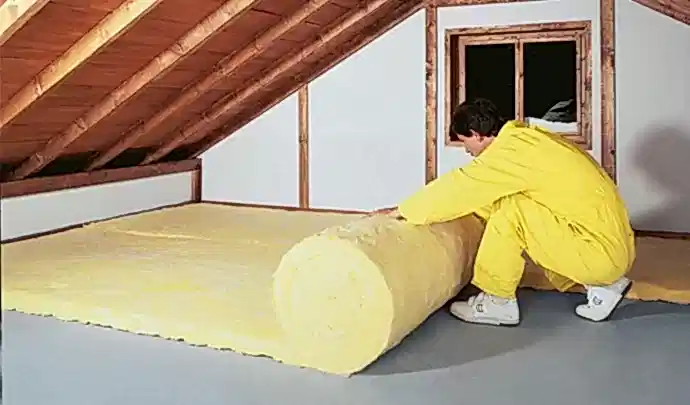
Measures to reduce heat transfer to unheated sections such as garages and warehouses, in the exterior walls, roofs, glass and joinery of our buildings, floor coverings separating floors, installation pipes and ventilation ducts, in order to reduce the energy we spend on thermal insulation, to warm up in the winter and cool down in the summer, and to live in a more comfortable environment. It allows us to lead a comfortable life and to cause less harm to nature.
How should thermal insulation be done?
Thermal insulation is done by applying thermal insulation materials to the roof, floor and all exterior walls of our houses and to the walls facing the unheated sections such as garages and warehouses. Thermal insulation can be applied inside or outside the buildings. The material with thermal insulation should be ecological and environmentally friendly. An important element of insulation is the insulation of the installations.
Thermal Insulation Advantages
Education, health, etc. of this savings. Considering that it will be transferred to our compulsory needs, it is a fact that insulation will make important contributions to our social welfare. Thermal insulation is very important not only for buildings but also for our world. Gases emitted into the atmosphere are reduced, as it will enable buildings to be heated with less fuel. Thus, it contributes to the fight against the greenhouse effect in the atmosphere, global warming and climate change. The warming of the world causes the melting of the polar ice caps and climate changes; As a result, natural life is gradually disappearing.
THERMAL INSULATION ON THE ROOF
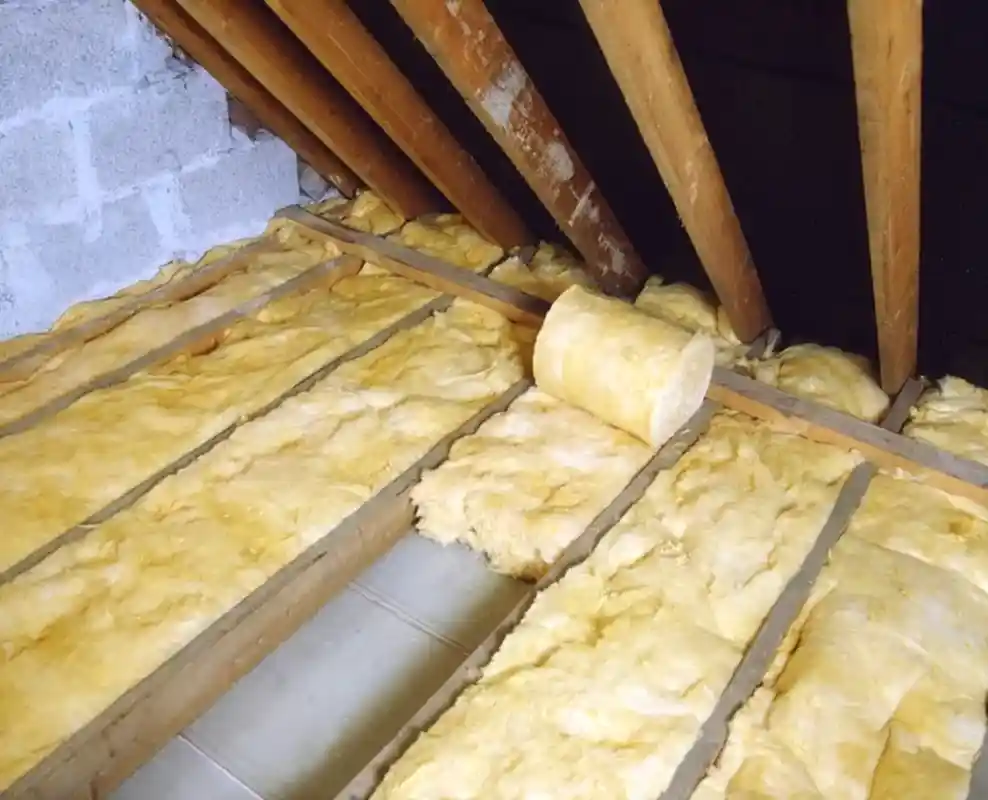
Thermal insulation is one of the most important system components in a roof and helps to reduce heating and cooling energy costs by creating a comfortable environment by protecting the building from the heat and cold inside. The importance of thermal insulation has increased recently mainly due to changing insulation standards around the world, resulting in greater need for thermal resistance of building structures to reduce the energy loss for heating or cooling. Types of insulation used in flat roofing systems must have not only high thermal properties, but also sufficient mechanical properties to withstand loads (eg snow loads, ballast, limited foot traffic associated with maintenance, moisture in inverted roof reinforcements, etc.).
General Types of Thermal Insulation Used in Roofs
Polyurethane Foams (PIR/PUR)
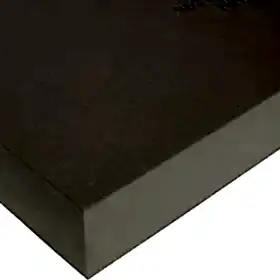
PIR is a thermal insulation plate produced by a chemical process from rigid polyurethane (PU) foam in combination with an isocyanurate catalyst. This material is a universal and highly effective solution for any bare roof. It is one of the most suitable types of insulation for bonded roof systems and can also be used for ballasted roof applications.
Rock wool
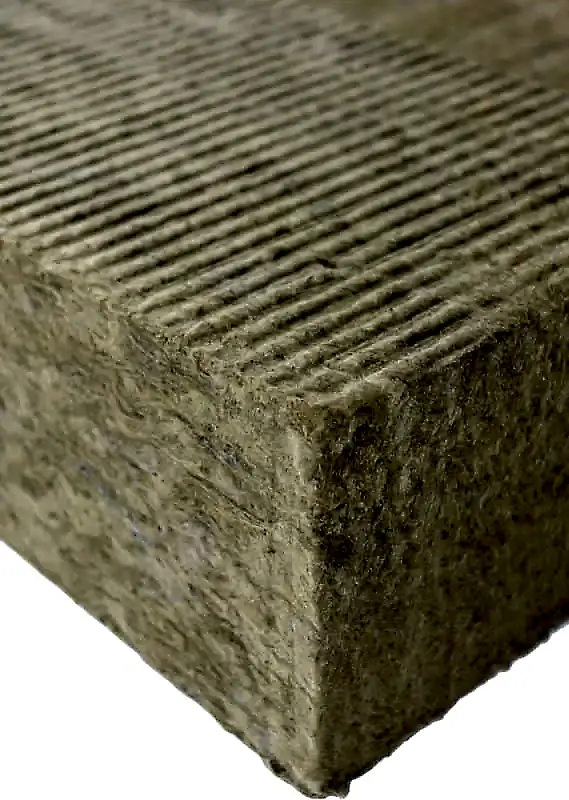
Stone wool, also known as mineral wool, is a kind of mineral wool insulation material produced from basalt stone fibers. It is one of the most common solutions for mechanically fixed roofs, especially where very high fire resistance is required.
Expanded Polystyrene (EPS)
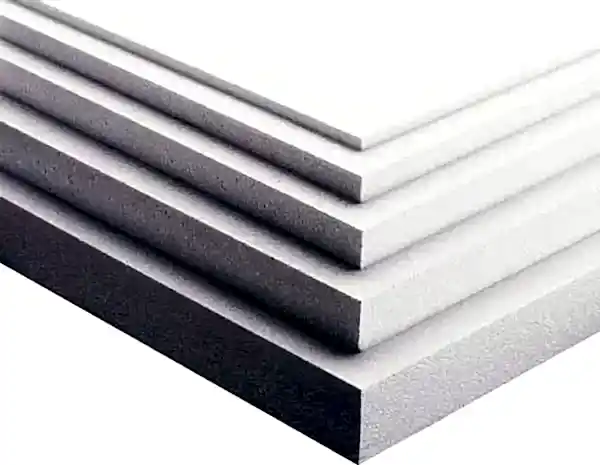
EPS is a thermal insulation plate made from expanded polystyrene granules. It is one of the most cost-effective solutions for bare and ballasted roofing systems.
Extruded Polystyrene(XPS)
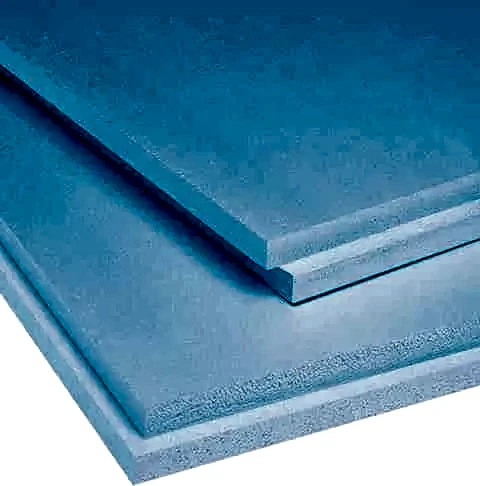
XPS is a thermal insulation board manufactured from polystyrene in an extrusion process. Thanks to its special qualities, it is the ideal solution for inverted ballast roof systems and auxiliary roof coatings. XPS can also be used in bare roofing systems.
Advantages of PIR/PUR
• Very high fire resistance (above 250°C)
• Extremely low thermal conduction value of 0.023 – 0.028 W/m·K
• High compressive strength in the range of 100 – 300 kPa, also sufficient for some ballasted applications
Advantages of Stone Wool
• Excellent fire resistance (up to 1000 °C); many stone wool products are classified as non-flammable
• A low thermal transmission value of 0.038 – 0.041 W/m K
• Compressive strength in the range of 40 – 80 kPa, sufficient for some ballasted applications
Advantages of EPS
• Many of the products are self-extinguishing in case of fire.
• A low thermal transmission value of 0.037 – 0.041 W/m K
• High compressive strength in the range of 100 – 250 kPa, also sufficient for some ballasted applications
Advantages of XPS
• Near zero water absorbency Many of the XPS products are self-extinguishing in case of fire.
• A very low thermal conduction value of 0.034 – 0.038 W/m·K
• High compressive strength in the range of 250 – 700 kPa, sufficient for high-traffic ancillary pavements